World of Quadrocopters

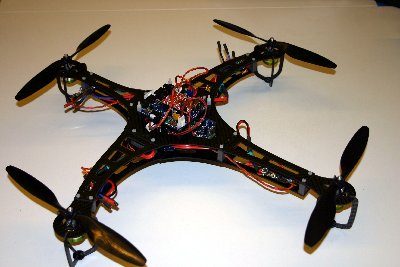
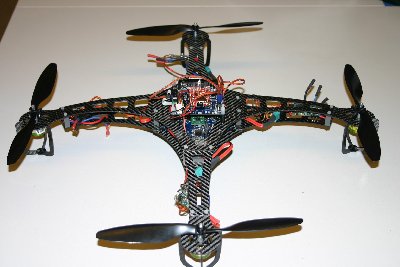
A brave student have just sent a few amazing Videos about some very interesting projects using Quadrocopter-Technology.

ETH Zurich, Institute of dynamic systems and control

Flying Machine Arena – Overview 2010

[youtube JDj5jtDUD8k]

Quadrotor Ball Juggling

[youtube g8O5RBcwmjY]

GRASP Lab, University of Pennsylvania

[youtube YBsJwapanWI]

TARMAC Project in the Hybrid Systems Lab at UC Berkeley (EECS department)

Autonomous Flight and Obstacle Avoidance with Kinect Sensor

[youtube eWmVrfjDCyw]

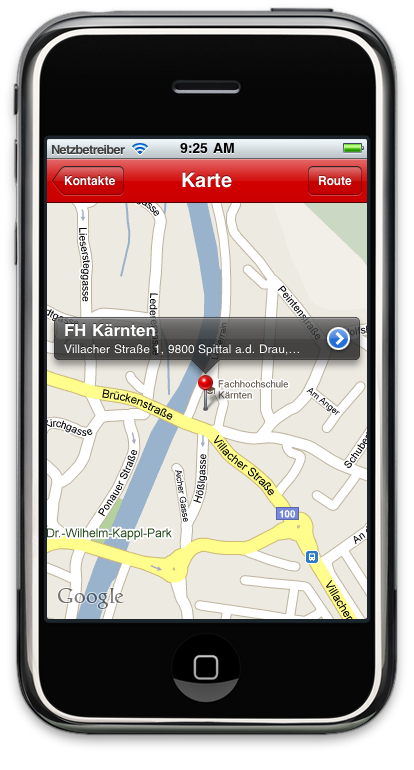
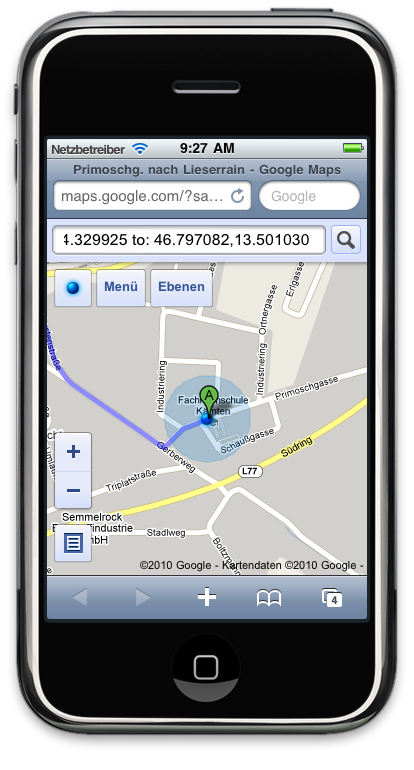
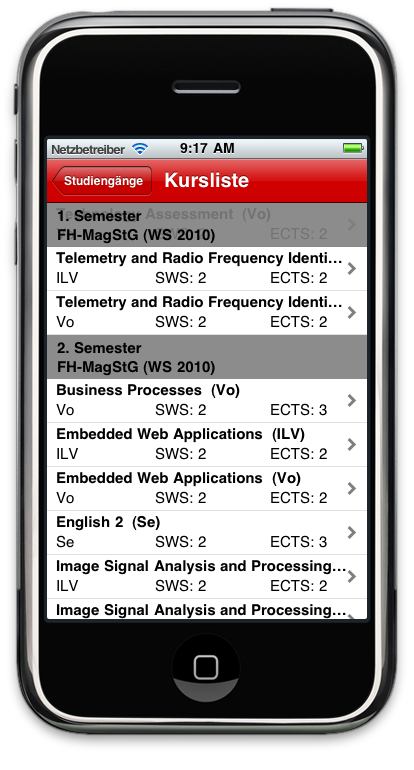
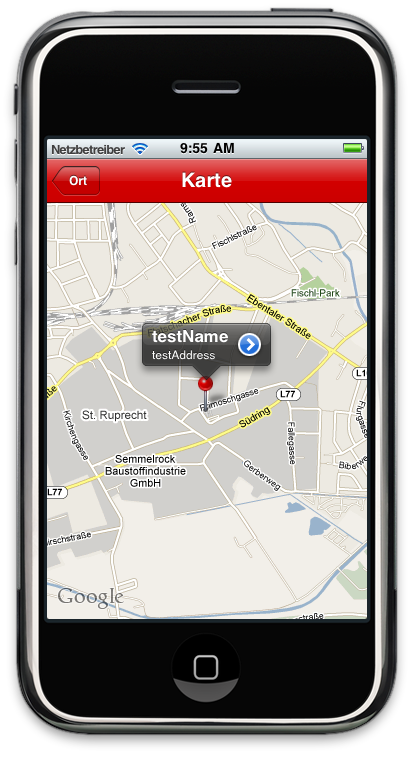
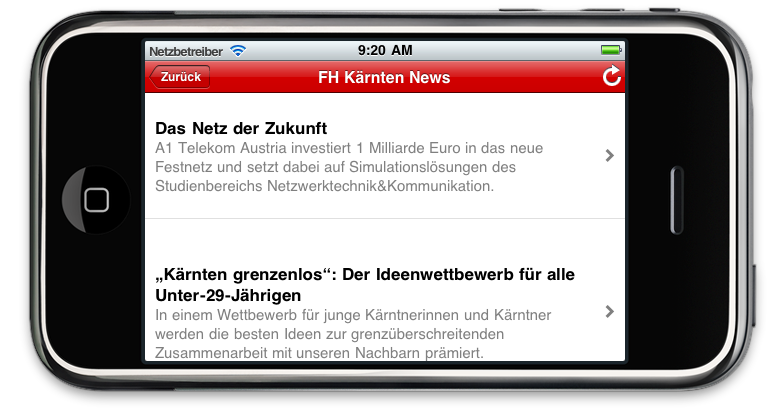
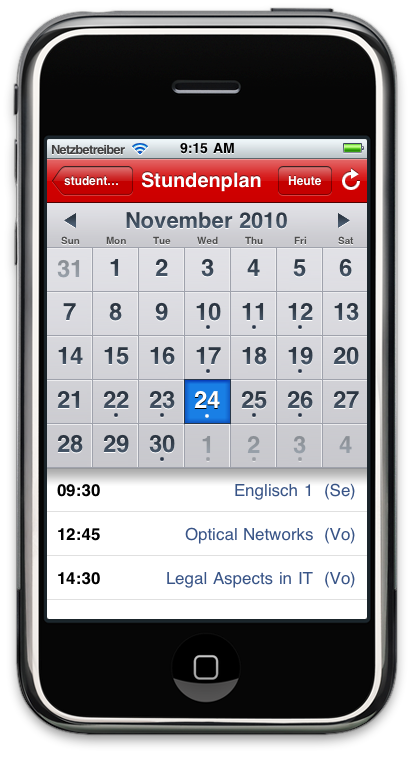
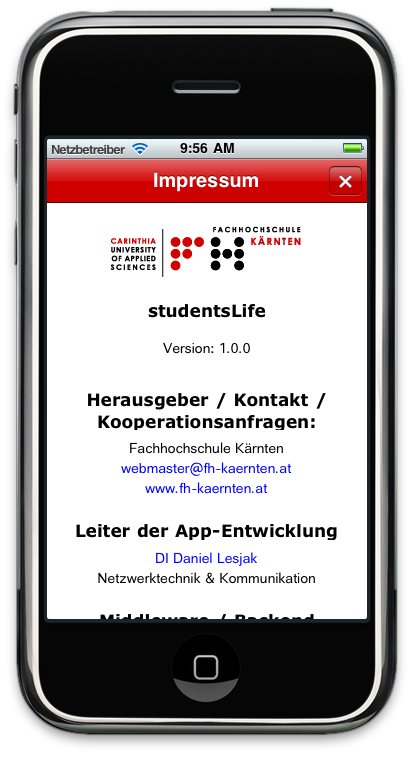
iPhone Apps III or ….hurray its a …. StudentsLife app


Let me introduce you our first iPhone app. called StudentsLife (v1.0.0) 🙂

StudentsLife is the must have iPhone Gadged for all Students of the FH-Kärnten.  … just try it out.

Our first release can be tested at the fair BeSt in Klagenfurt.

Get it at the App-Store

…. to cut to the chase …..

The Feature set :

  • your personal timetable
  • detailed course overview
  • news ticker
  • university contact list
  • course overview
  • location based service
    • amenities
    • current party locations
    • study locations
    • locations every student should know of 🙂
  • personal list of grades

But take a look for yourself….


And … Daniel big thx for your hard work!!!! 🙂

By the way, we are also working on an Android version…. so stay tuned…

Cool new gadget II …

Yeah “The Postman Always Rings Twice” 🙂 particularly ours……..,

I have just received my new gadget. Yes, its a Kinect Cam.

First tests look very impressive and promising. We will use the cam for our AAL project Healt@Home., and for our stundent projects too 🙂

For the first tests I have used the NUI Kinect Driver SDK.

Next steps will be to get the depth data into OpenCV, aForge, ImaqVision,…..

Stay tuned for more…..

How to run Apache 2.2.x with multiple SSL certificates via one IP

I never thought that could be a problem. Well after digging around for HTTP+SSL (multiple certificates) and after understanding how it works, yes this is definitely a problem :-).

But there is light at the end of the tunnel called SNI (Server Name Indication). SNI is an extension for TLS .

The idea behind SNI is that the clients domain name request is deferred until the certificate is exchanged between the the two parties . This gives the server the change to switch to the right named virtual host :-)…. yeah thats cooooool.

See here RFC3546 (Section 3.1) for an in deep description.

SNI works with (according wikipedia):

  • Mozilla Firefox 2.0 or later
  • Opera 8.0 or later (the TLS 1.1 protocol must be enabled)
  • Internet Explorer 7 (Vista or higher, not XP) or later
  • Google Chrome (Vista or higher. XP on Chrome 6 or newer[7]. OS X 10.5.7 or higher on Chrome 5.0.342.1 or newer)
  • Safari Safari 3.2.1 and newer on Mac OS X 10.5.6 and Windows Vista or higher, not XP
  • Any Apple iDevice running iOS4 has support for TLS server name indication.
  • Android

If you want to use SNI for your server you have to put your *.443 hosts configs into one file.

Listen 443

NameVirtualHost *:443

# Also accept connections from none SNI capable hosts
SSLStrictSNIVHostCheck off

# This is our default virtual host.
 DocumentRoot /www/blub1
 ServerName www.blub1.at

# Other directives here

DocumentRoot /www/blub1
 ServerName www.blub.at

# Other directives here


have fun

Mario

Phytec 8564-RTC I²C interface library used in interrupt driven env.

A few posts before I wrote about about the project “Campus Door System “. In our real time environment part of the project we are using the miniMODUL-167 which is equipt with an RTC-8583.

For I²C  < -> RTC interfacing we are using sources which can be downloaded from the Phytec ftp servers. For the whole project we have been using this source without problems 🙂

After rolling out the system to one of our customers a few weeks later the system suddenly stopped, only a reset could clear the situation. Our in-house systems have never shown this kind of symptoms. So what the hell was going on?

After some days I found out that the problem might be located on the RTC part. After the crash the RTC delivers such funny things like 56 h 78 m 99 s , lol, ok so the RTC counters only compare for equals thats for sure :-). But what part of our code is setting the RTC  ?

To make it short, the problem was a combination of our system architecture and the way the used I²C library is working.

Because the I²C library has a low level layer which is responsible for generating the bit pattern of the I²C data, this part of the code is prone to wrong designed interrupt architecture.

Sample of the low level I²C:

/****************************************************************************/
/* sends one bit to I2C-bus, also used for sending ACKNOWLEDGE condition    */

void I2CSendBit(BYTE State) {
// I2CDelay();
   I2CPutSCL(0);                       /* setup SCL (redundant)             */
// I2CDelay();
   I2CPutSDA(State);                   /* setup SDA                         */
// I2CDelay();
   I2CPutSCL(1);                       /* enable SDA writing                */

// I2CDelay();                         /* let SCL get stabilized High       */

   while(!I2CGetSCL());                /* wait until SCL-line is released   */

// I2CDelay();
   I2CPutSCL(0);                       /* disable SDA writing (SDA is now   */
                                       /* clocked)                          */
// I2CDelay();
   I2CPutSDA(1);                       /* release SDA */
}

/****************************************************************************/
/* set SCL-line to desired state                                            */

void I2CPutSCL(BYTE State)
{
 if(!State)
 {
 I2C_PORT &= ~I2C_SCL_MSK;             /* set SCL-Line to ZERO                */
#ifdef __C166__
 I2C_PORT_DIR |= I2C_SCL_MSK;     /* set SCL-Pin for OUTPUT Mode        */
#endif
 /* enable output AFTER setting of    */
 /* correct level to avoid '1'-level  */
 /* spikes                            */
 }
 else
 {
#ifdef __C166__
 I2C_PORT_DIR &= ~I2C_SCL_MSK;    /* set SCL-Pin for INPUT Mode        */
#endif
 /* this is possible because of the   */
 /* external pull-up resistor !       */
 /* set SCL-line to ONE               */
 I2C_PORT |= I2C_SCL_MSK;
 }
}

/****************************************************************************/
/* read state of  SCL-line                                                  */
/* WARNING: This function should be used only if SCL-line is in High-level !*/
/* (This function is for used only for realizing the Slow-Down-Mode)        */

BYTE I2CGetSCL(void)
{
 #ifdef __C166__
 I2C_PORT_DIR &= ~I2C_SCL_MSK;            /* set SCL-Pin for INPUT Mode        */
 #endif

 if(I2C_PORT&I2C_SCL_MSK)
 return(1);                               /* read SCL-line status              */
 else
 return(0);
}

This is exactly what happend. In-house we have only a certain amount of readers connected to the external buses of the access system. But our customer has over 100 readers installed. So the interrupt load was at a level where the situation could arise that at the moment where the I²C bit pattern is generated a few interrupts suspended the pattern generation. This leads in the worst case to a write instead of a read flag 🙂

A quick fix was to globally disable interrupts in I²C write situations or a better solution would be to move the accourding code to a high priojority interrupt.

I’m also writing this because some of my colleagues also use this lib – and yes they also do not read manuals 🙂

have fun

Mario

Mobile Apps iPhone/Android project Part II


One week ago the Android part of the mobile application has started. Two students and Markus, the Android-Application project leader, are going to develop the Android version of the current iPhone app. prototype.

Fortunately he has managed to get the cell phone carrier Orange on board. Orange has sponsored two state of the art smart phones (Samsung Galaxy Leo) running Android OS version 2.2 for the development of the app. The project has officially started and now we are all looking forward to get all the parts of the project, the middle ware (which is my part), the iPhone app and the Android-app. up and running.

have fun

Markus & Mario

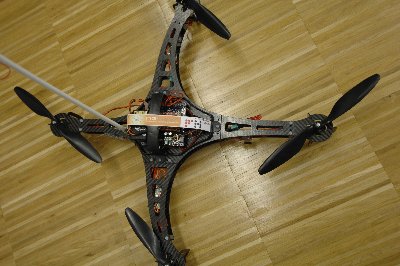
Fly High, Fall Far

Holly Molly this day was a bad day 🙂

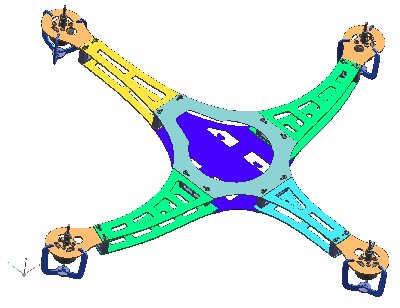
At a test flight with one of our early prototypes we had lets say a unforeseen occurrence.

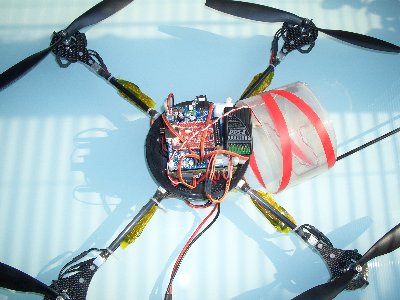
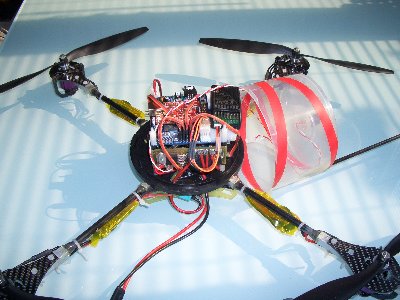
The short story …  After hovering around at our testing side and testing some controller configs our Copter suddenly defies our control. The QuadroCopter was just landed by our brave pilot, as it suddenly spinup its motors and started for a moderate and well balanced ascent towards the sky. You could imagine, in my brain was only one sentence, WHAT THE HELL was going on. Yeah and the hell was really going on. After a minute or so the Copter was only a  tiny black point in the sky… nice…  there it goes… up to the stars… This would be a new altitude record for Quadrocopters… indeed. I did a short phone call to notify our police… just in case…. :-).
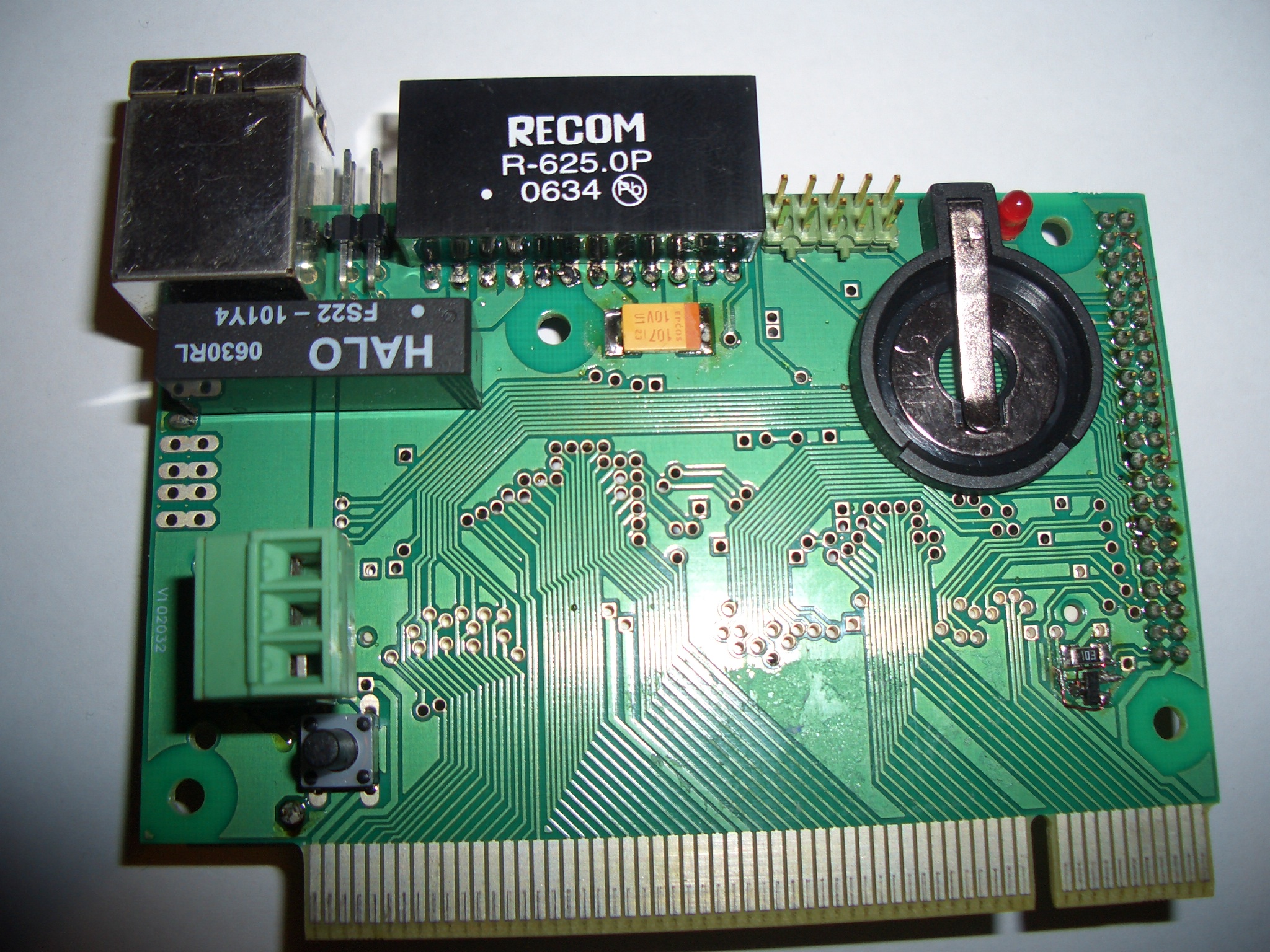
The End of the Story…, nothing stays in the sky, this is also the case with our Copter.

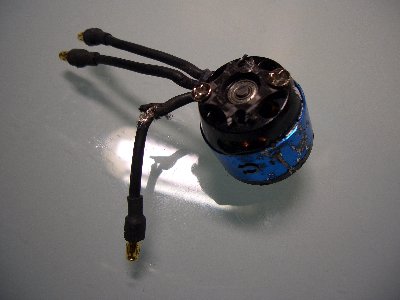
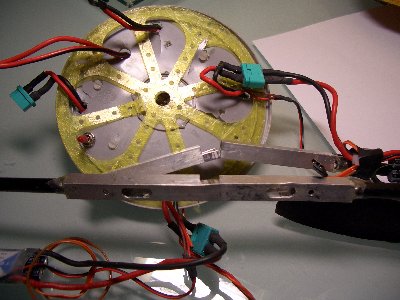
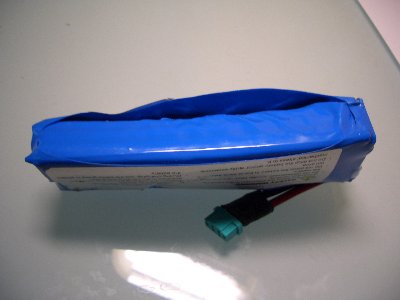
A picture is worth a thousand words, see for your self what we found after the “landing”

One thing I should mention: The failure was a configuration mistake on our side!

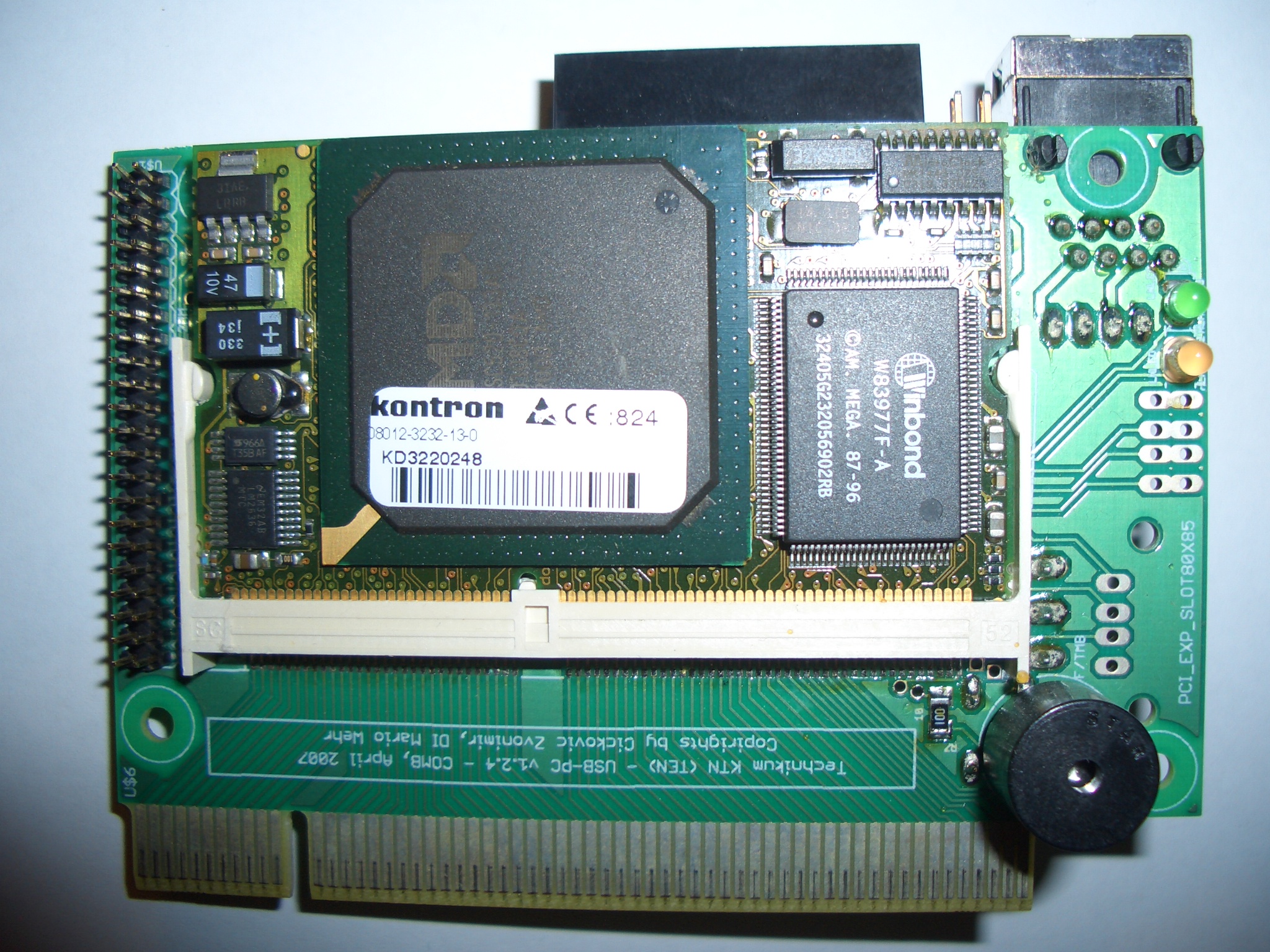
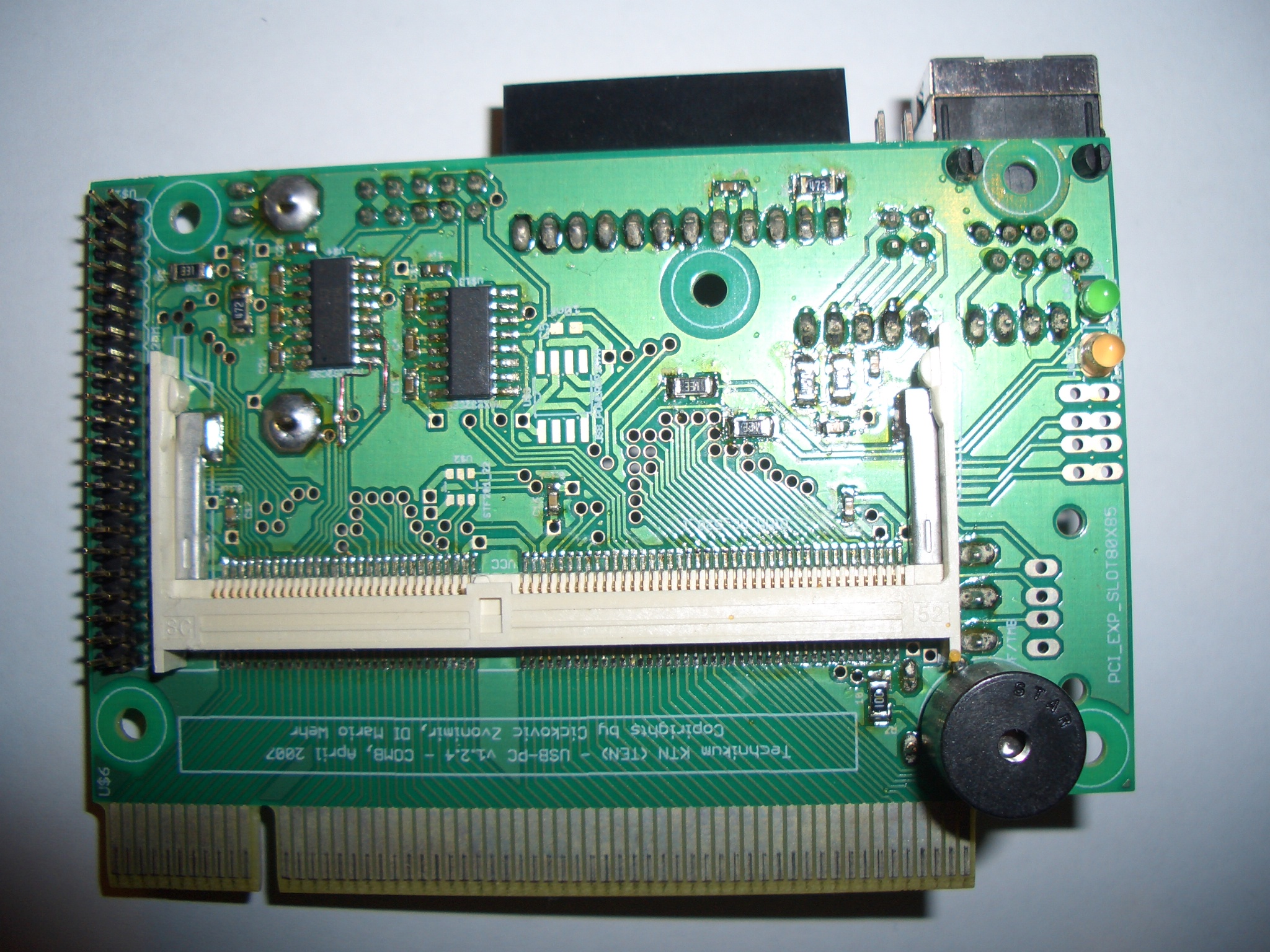
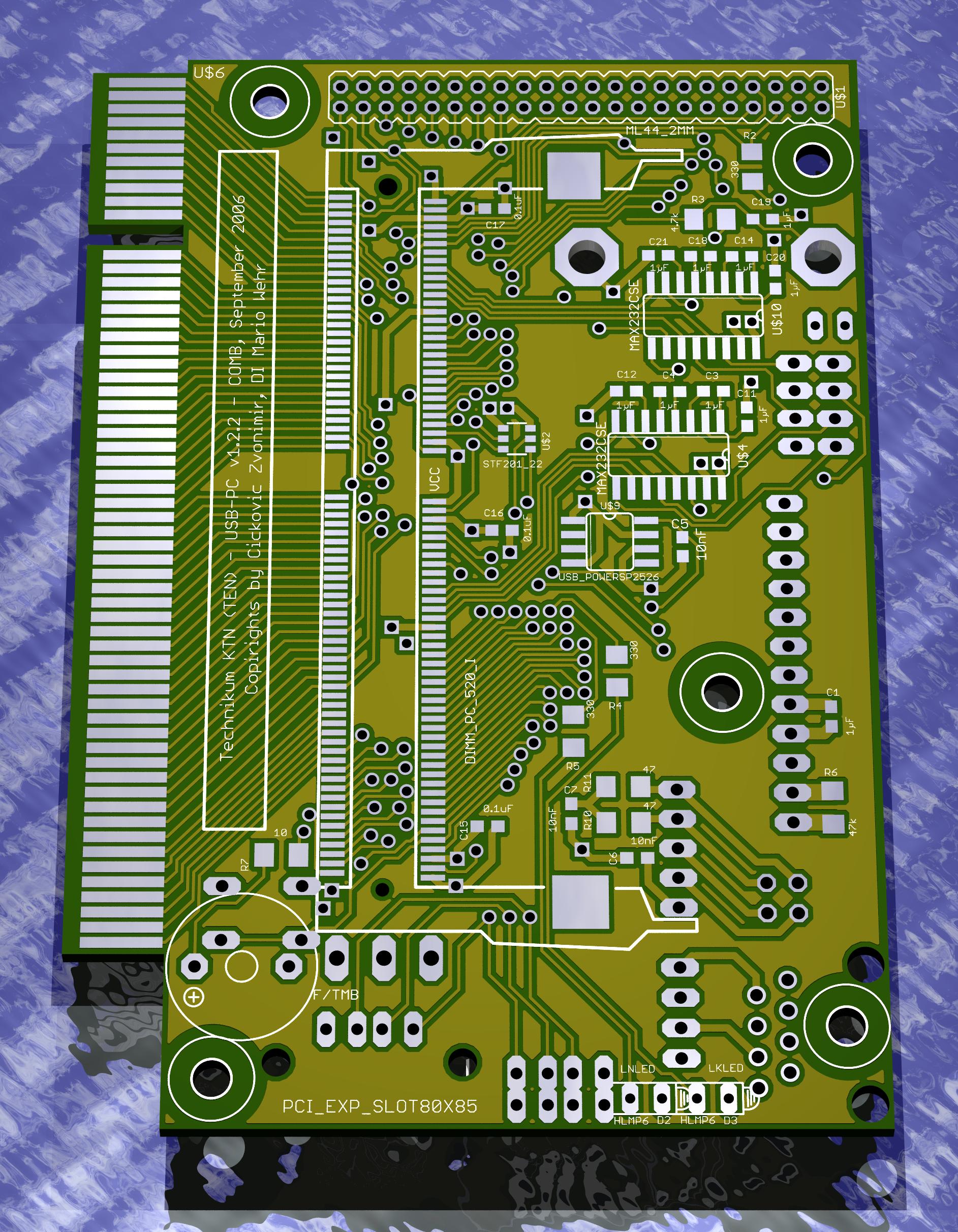
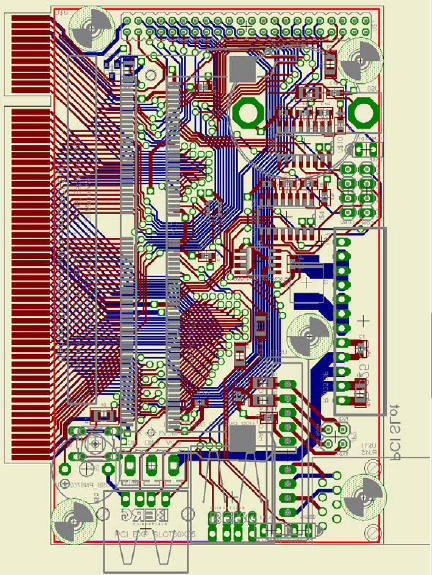
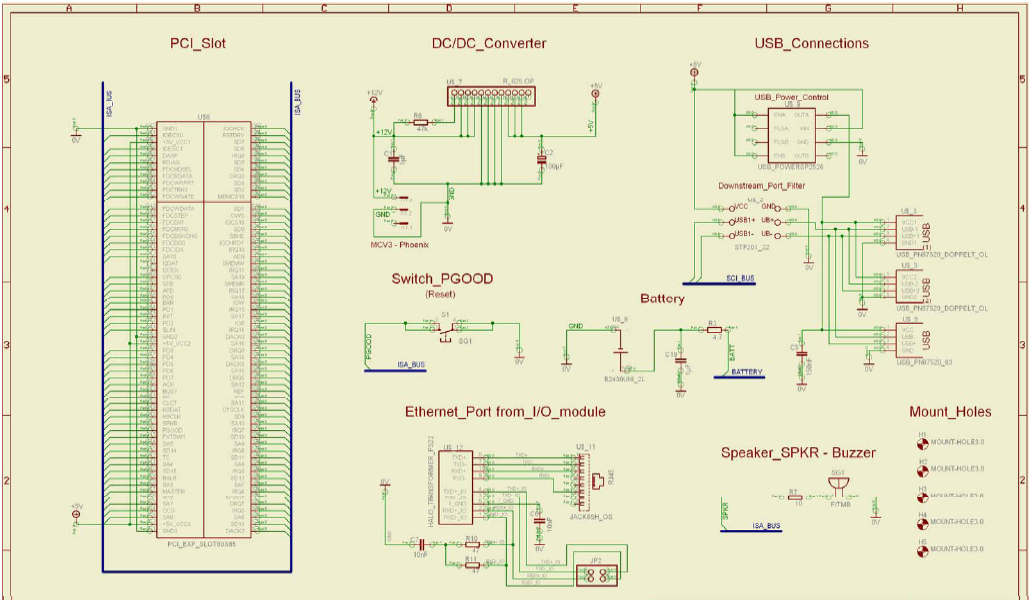
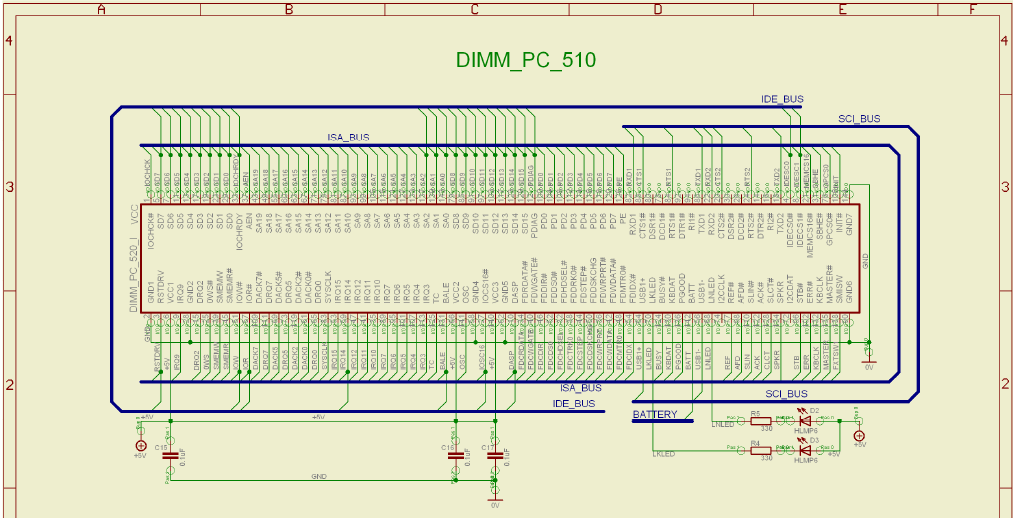
Tiny (Mother/Daughter)Board for DIMM-PC®/520-IE Part II

In part one I wrote about the Specs. of the used DimmPC hardware. Because of that this kind of hardware needs some sort of motherboard to operate I designed, with one of our students Zvonimir C., a daughter respectively motherboard for the DimmPCs.

We wanted to used the -IE and the -USB versions with one Daughterboard. The operation purpose should involve longterm logging of various data sources with Ethernet, RS232 or USB interfaces like GPS localization data, ambience data, energy consumption data, operational data from small water power plants ….

Since the used DimmPcs are also equip with a 44-pin mini-IDE interface we have plenty of space for log data. (For example we use the Flash Modules from Transcend).

The Daughterboard should also be selectively powered with 24V or 5V.


For data transfer we use a USB Samba75 Quad Band GSM/GPRS/EDGE modem from Falcom.


We have also a special version with external i²C and SPI interface connectors.

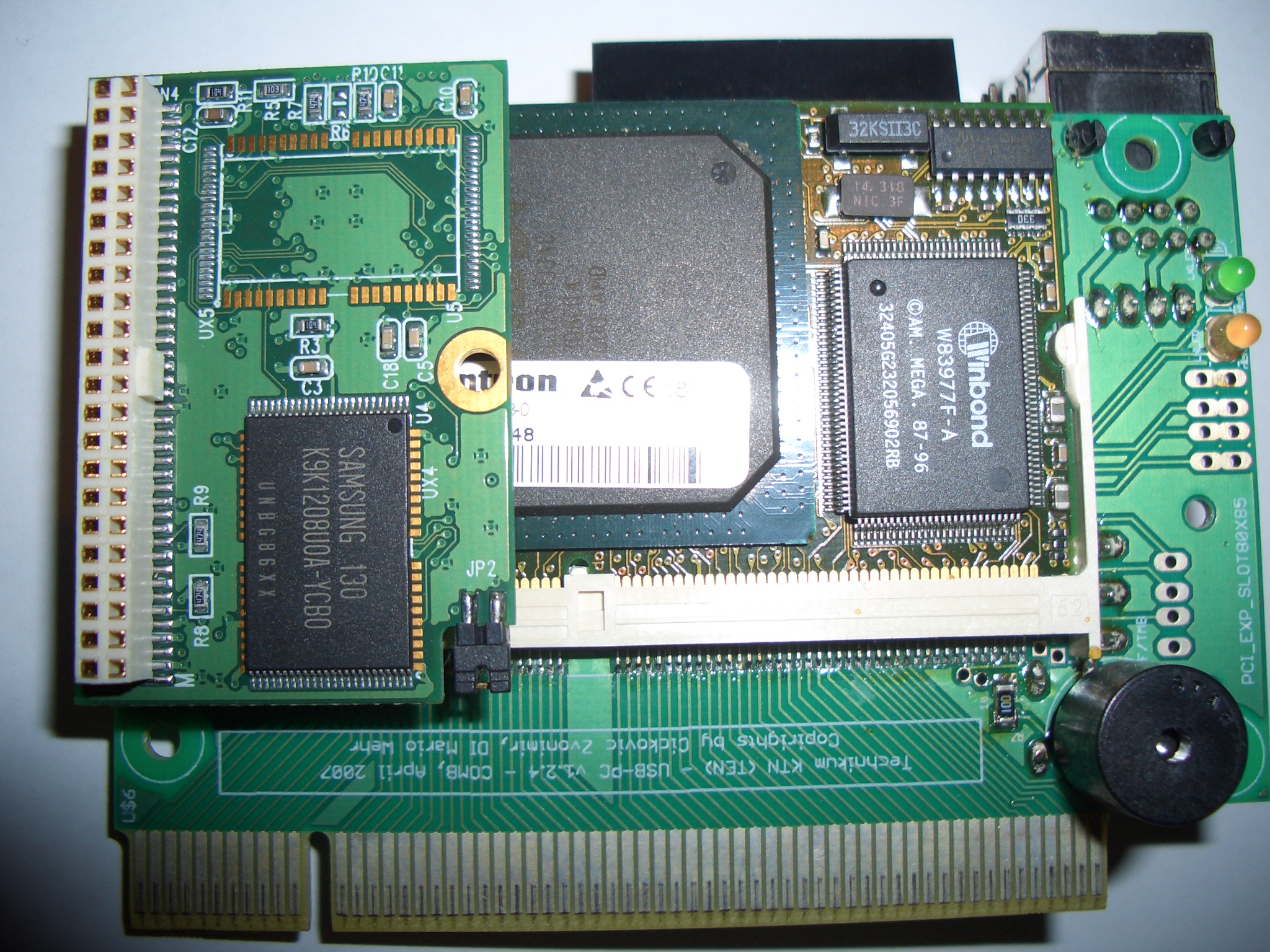
Daughterboard Top up

Daughterboard bottom up