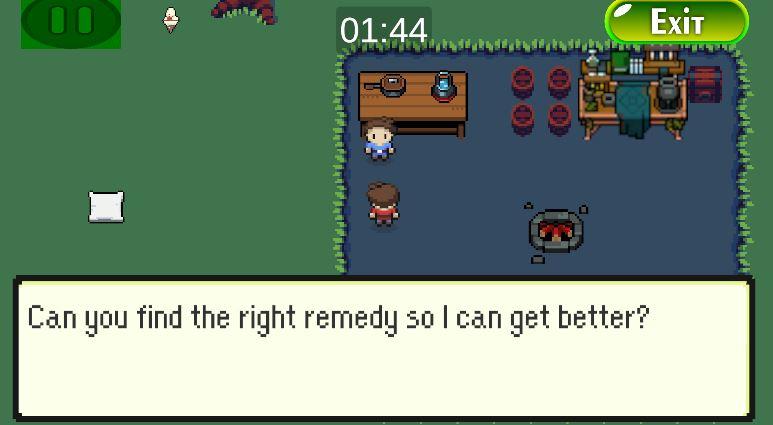
Doc Junior: An Educational Game for Young Learners
In the second part of ‘AR Games’ mini-series, Mr Paul, Ms Biru, and Mr Al-Qubaj will present their game designed to raise health awareness in young learners.
Read more
In the second part of ‘AR Games’ mini-series, Mr Paul, Ms Biru, and Mr Al-Qubaj will present their game designed to raise health awareness in young learners.
Read more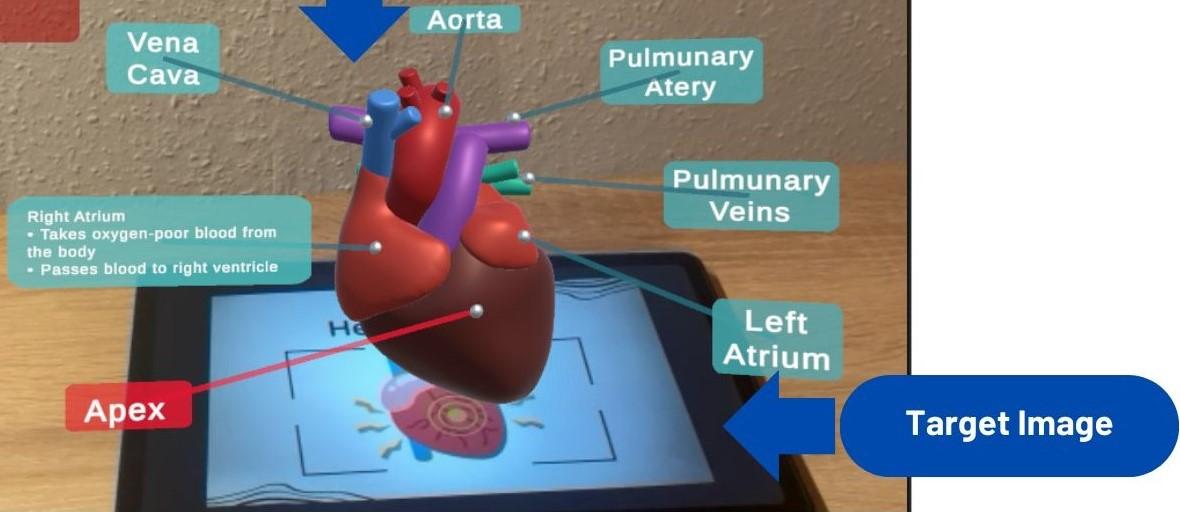
In the first post of our ‘AR Games’ mini-series, we will hear from Ms Biserovic, Ms Hauger and Ms Mottini about their tablet-based AR app, which helps users explore the human heart and common diseases.
Read more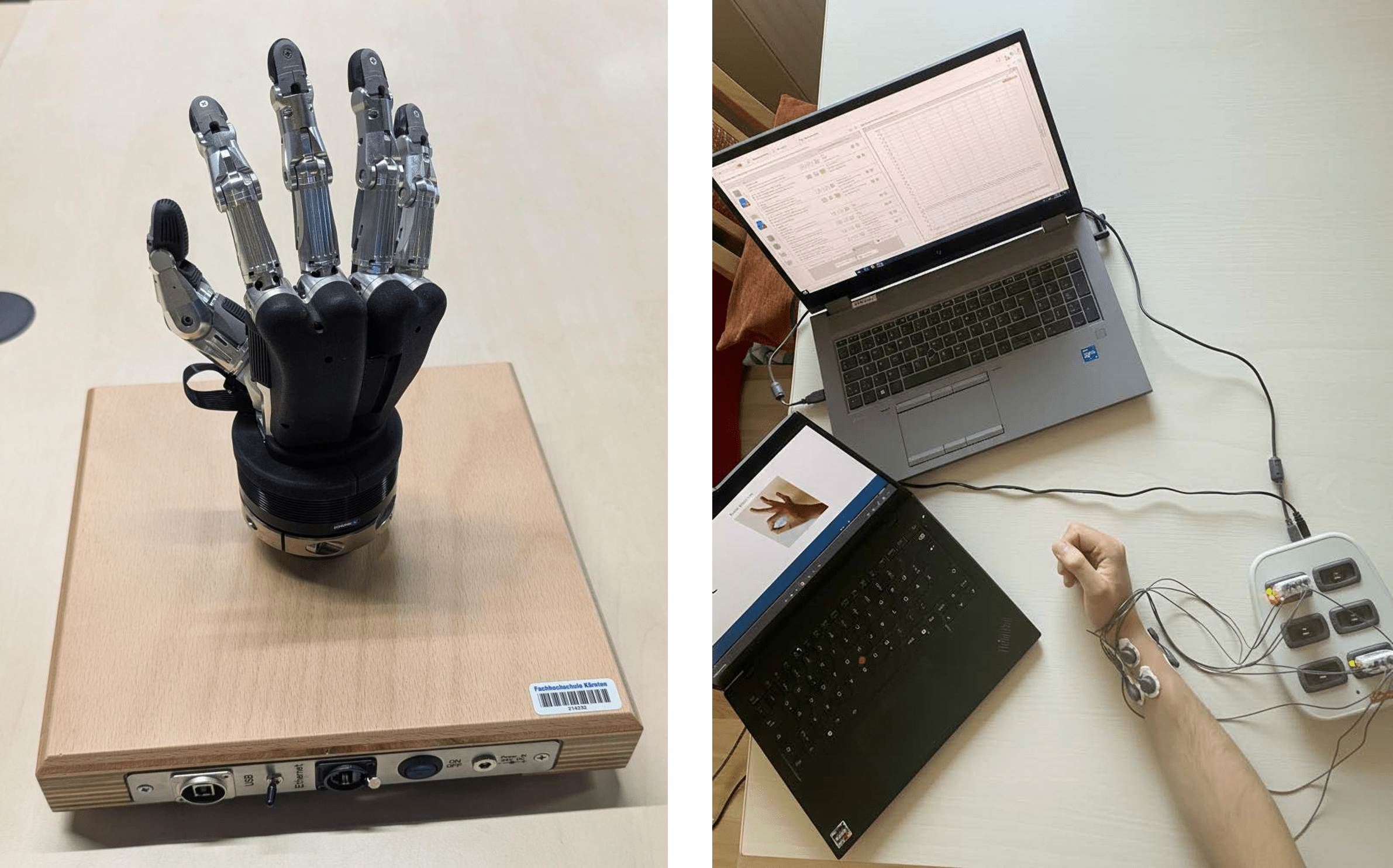
In this post, we will hear from Max Körner, a fresh MEA master’s graduate, who will talk about his work exploiting electric muscle signals to control a robotic hand in real time.
Read more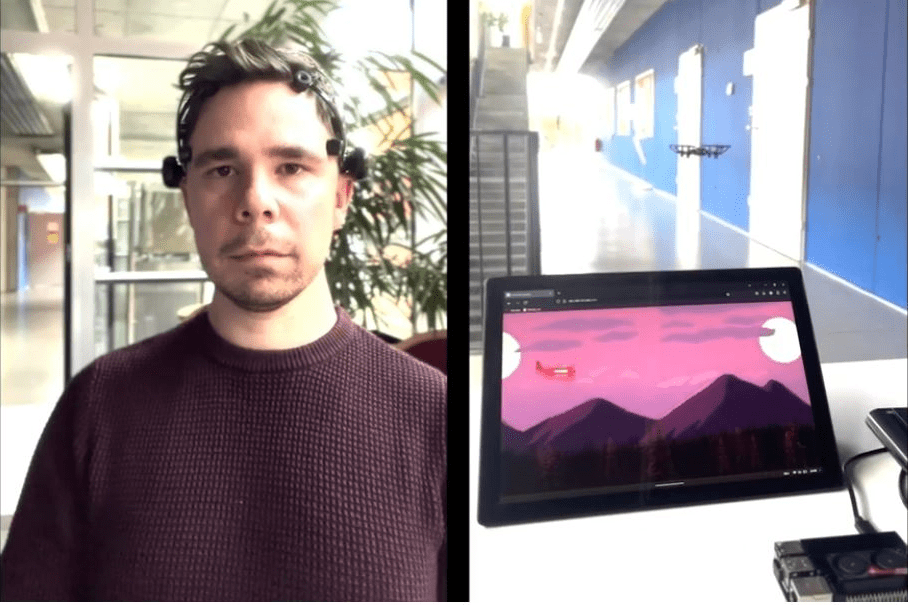
The master’s project of Mr Steinwender focuses on the development of a portable brain-computer interface that allows real-time control virtual and real-world objects by brain waves.
Read more
In her master’s project, Ms Müller developed a mobile chatbot app designed to deliver personalized, accessible information to informal caregivers of people with dementia.
Read more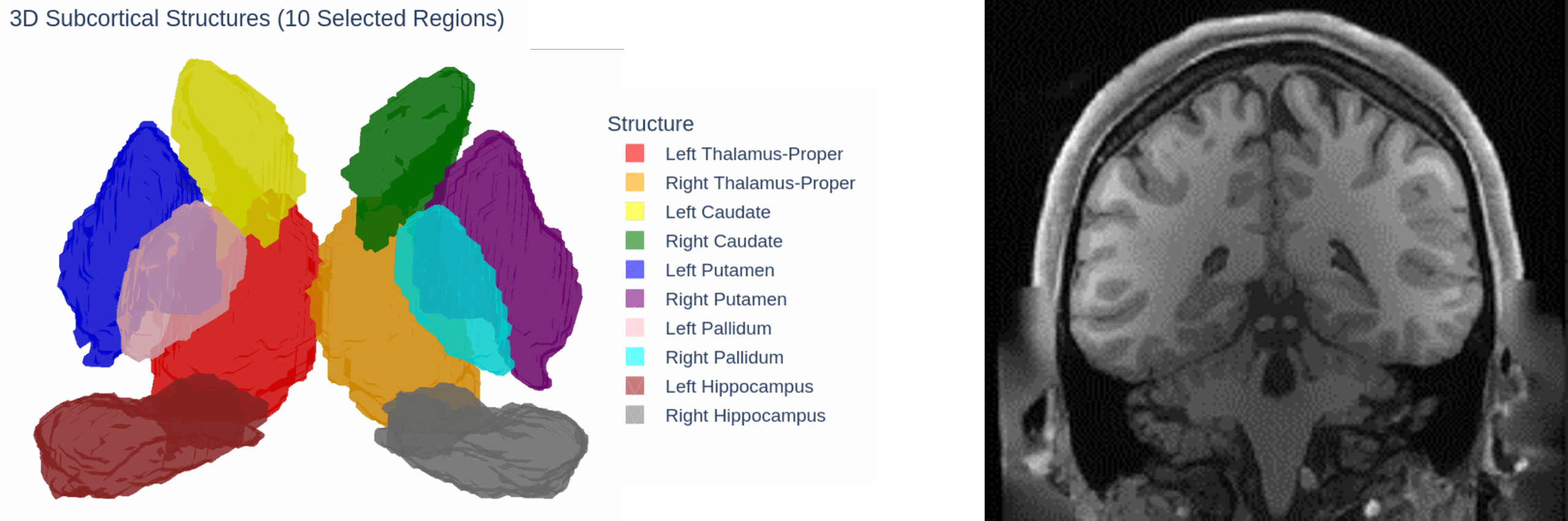
I am Markus, a master’s student of the degree Medical Engineering and Analytics, and in this post I will introduce you to my master’s thesis project on “Synthetic Magnetic Resonance Images”.
Read more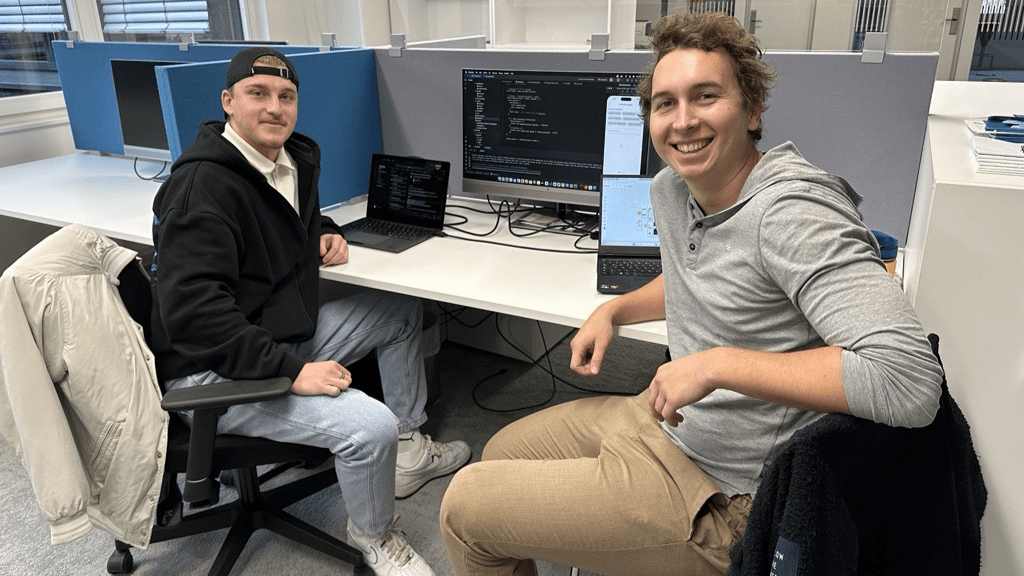
Mr. Käfinger and Mr. Santner talk about building a startup based on their master’s project in which they are developing an app that allows young people to discover and share local events and activities.
Read more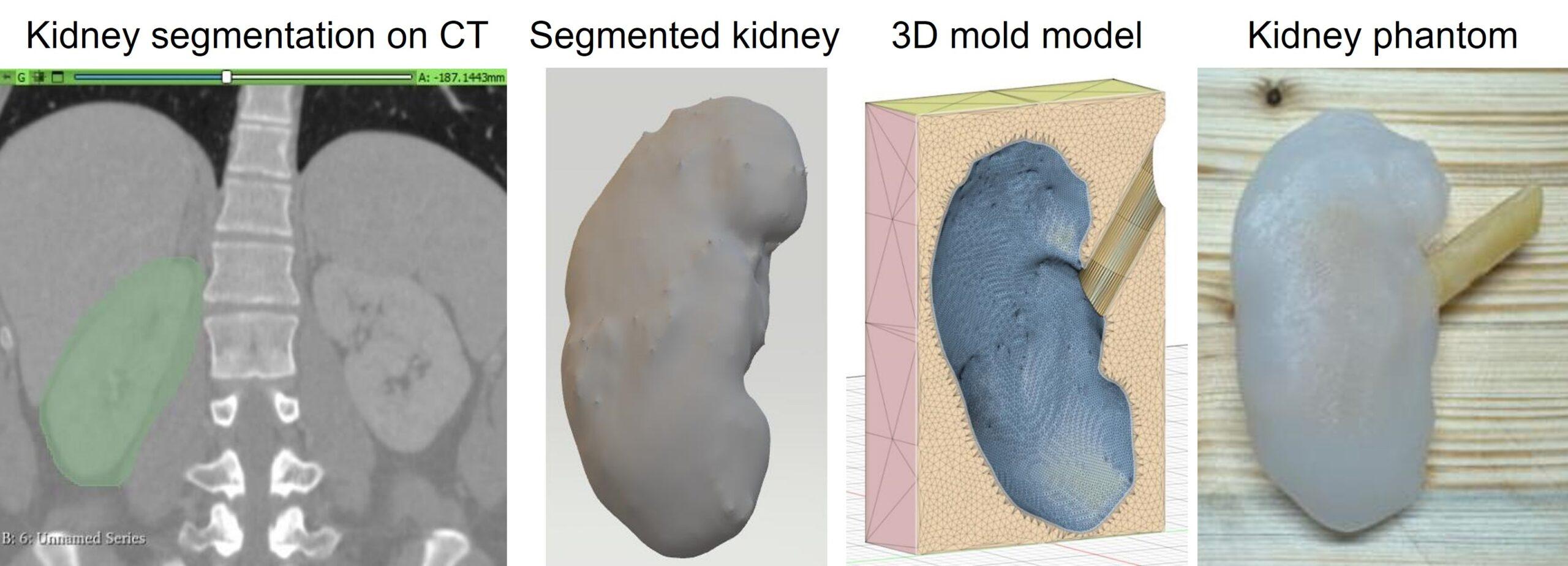
By developing a 3D-printed ultrasound phantom that closely replicates the structure and imaging properties of a human kidney, Mr Wieser has provided an innovative tool to enhance both medical training and device testing.
Read more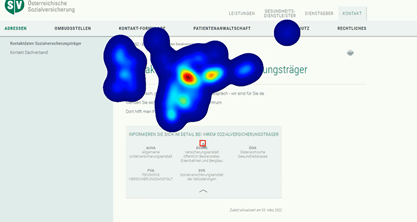
In their bachelor projects, Clara Bauer and Noah Müller investigated the usability and accessibility of health portals based on eye-tracking and heatmaps. They created a mockup demonstrating their user-friendly redesign.
Read more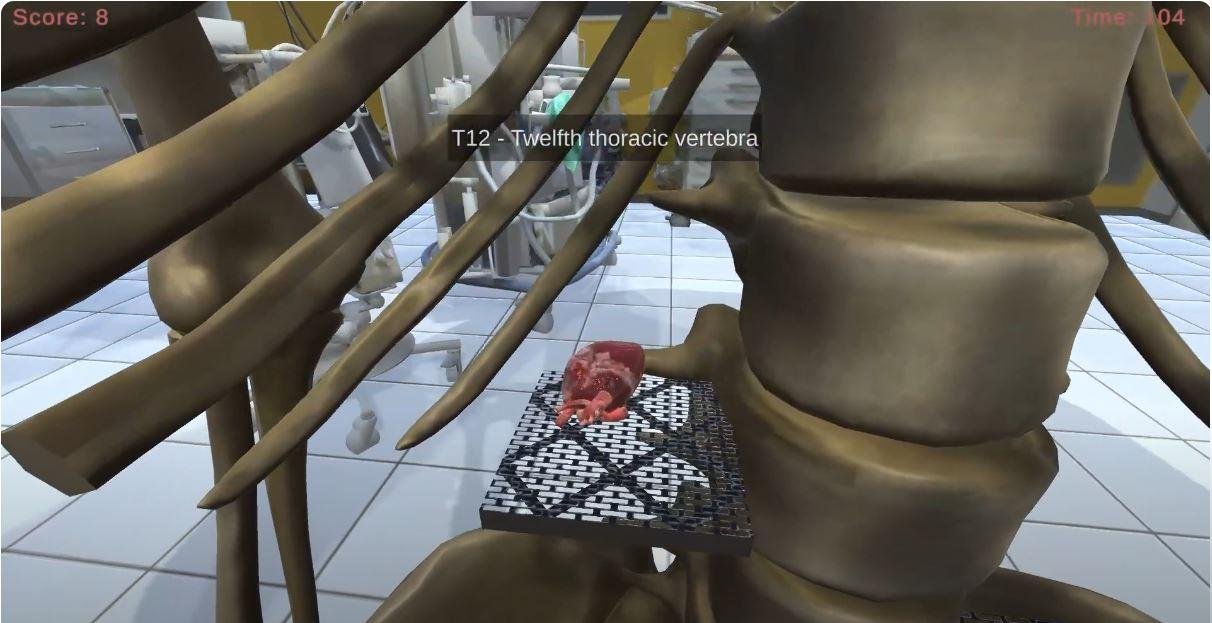
As a final project for the lecture “Augmented Visualization in Medicine”, Mr Jamal, Mr Eichleitner, and Mr Sabouri created a 3D minigame “Skull & Bones”, which helps to memorize the names of human bones.
Read more
Mr Fakia and Ms Ogris aim to assess whether significant differences in eye parameters of people can be detected using self-made eye-tracking system. Check out their video.
Read more
The bachelor project of Ms Müller exploits the use of machine learning for real-time classification of two imaginary hand movements recorder with EEG, setting the basis for brain-computer interface.
Read more
Visiting conferences represents an important part of a scientific career. International Student Congress is Austria’s largest health congress for students. Three contributions of our students were accepted and will be presented at the ISC 2023.
Read more
With the ArtUs ultrasound device, we will be able to demonstrate the basic principles of ultrasound imaging and to teach about the technical details of ultrasound imaging, its image reconstruction and postprocessing.
Read more
As a part of the Health Care & IT master’s studies, all students have the opportunity to select a project to work on for the next two years. We, Anna and Laura, have decided to work on the “LEXO project”.
LEXO is an end-effector robotic gait trainer used for rehabilitation of the lower extremities.

Our bachelor students; Sandro Lercher (Multimediatechnology) and Martin Lipitsch (Medical Engineering) have created a virtual walk through a radiology department of the hospital with the view of reducing the fear from MRI examination by getting acquainted with the MR scanner and its sounds.
Read more
This post presents a project of our bachelor students; Mr Barounig, Mr Käfinger and Mr Santner, in which they implemented an app for smartphones and HoloLens, allowing visualisation and animation of a 3D intraoral scan. Let´s look at what they have to tell us.
Read more
This post presents a bachelor project of Mr Fakia, in which he used augmented reality to enhance the visualisation and understanding of EEG data. Let´s look at what he tells us.
Read more